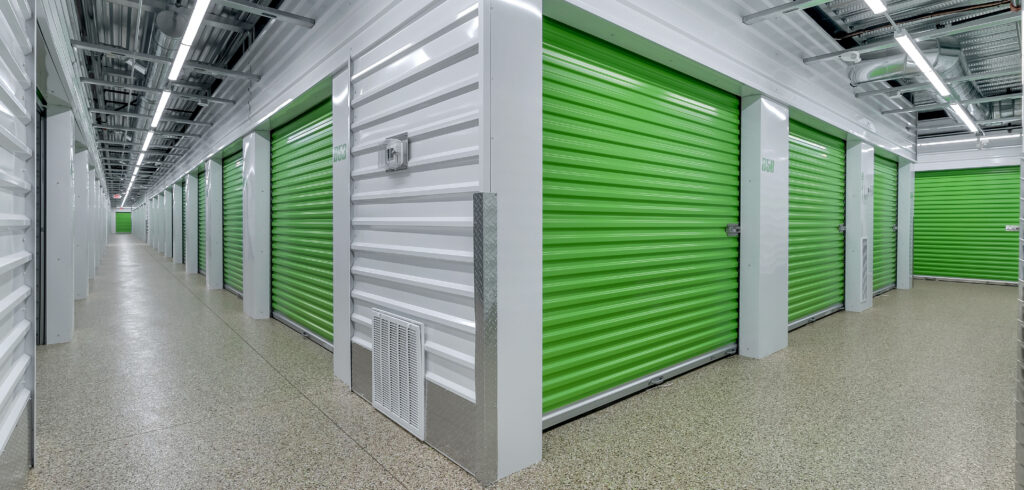
Keeping Your Valuables Safe: The Science Behind Climate-Controlled Storage Units
Introduction
When storing valuable belongings, providing the right environment is essential for long-term protection. Items like furniture, electronics, documents, and family heirlooms can suffer damage when exposed to extreme temperatures or excess humidity. That’s why climate-controlled storage units are an ideal solution. Yes, keeping your valuables safe is of major importance.
In this article, we’ll explain how temperature-controlled storage works, why dehumidifiers play a critical role, and how both technologies work together to protect your valuables. Understanding the science behind climate-controlled storage can help you make a smarter decision when choosing a storage unit.
How Climate-Controlled Storage Regulates Temperature
Maintaining a Stable Environment
Climate-controlled storage units are designed to keep temperatures within a safe, consistent range—typically between 55°F and 85°F. This stability prevents sudden temperature swings that can damage sensitive items such as wood furniture, electronics, photographs, and artwork.
By maintaining consistent temperatures year-round, climate-controlled storage units help protect belongings from seasonal weather changes.
Protection From Heat and Cold
Extreme temperatures can cause serious damage. For example, excessive heat may warp wood, melt plastics, or degrade electronics. On the other hand, freezing temperatures can lead to cracking, splitting, and brittleness.
Because climate-controlled storage units regulate temperature continuously, your belongings remain protected from both hot summers and cold winters.
Preserving Valuable and Sentimental Items
Consistent temperature control plays a major role in preserving items over time. Whether you’re storing antique books, vinyl records, collectibles, or family keepsakes, climate control helps slow the aging process and reduces the risk of permanent damage.
Why Dehumidifiers Are Essential in Climate-Controlled Storage
Controlling Humidity Levels
While temperature control is important, humidity control is just as critical—especially in humid climates. Climate-controlled storage facilities use industrial dehumidifiers to remove excess moisture from the air.
Lower humidity levels help prevent mold, mildew, rust, and moisture-related damage that can ruin stored items.
Ideal Storage Conditions for Sensitive Items
Items such as leather furniture, artwork, clothing, and important documents are especially vulnerable to humidity. Dehumidifiers maintain optimal humidity levels, usually around 55%, which helps prevent moisture absorption and deterioration.
This controlled environment ensures your most delicate belongings stay safe and dry.
Confidence and Peace of Mind
Knowing your belongings are protected from both temperature extremes and humidity provides peace of mind. Climate-controlled storage eliminates the uncertainty of environmental damage and allows you to store items with confidence.
Conclusion: Why Climate-Controlled Storage Is Worth It
Choosing a climate-controlled storage unit with dehumidification is an investment in protecting what matters most. By maintaining consistent temperature and humidity levels, these storage units help preserve your belongings and extend their lifespan.
When it’s time to store valuable, sentimental, or sensitive items, climate-controlled storage offers the safest and most reliable solution. With the science of climate control working behind the scenes, you can rest easy knowing your possessions will remain in excellent condition until you need them again.